


Excellent thermal insulation
Fiberglass insulation board has a high thermal insulation property that helps to keep the interior space warm during the winter months and cool during the summer months.
Sound insulation
This material effectively reduces the transmission of noise from outside to inside the building, creating a more peaceful and comfortable environment.
Energy efficiency
Fiberglass insulation board helps to reduce energy consumption as it provides an effective thermal barrier, lowering the amount of heating or cooling needed to maintain a comfortable temperature.
Moisture resistance
Fiberglass insulation board is moisture-resistant, which makes it resistant to mold and mildew growth. It also does not absorb or retain water, preventing damage caused by leaks or spills.
Benefits of Fiberglass Insulation Board
What is Fiberglass Insulation Board?
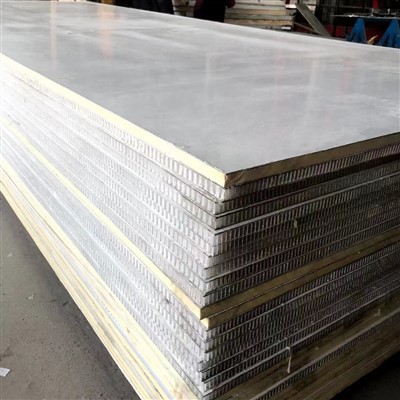
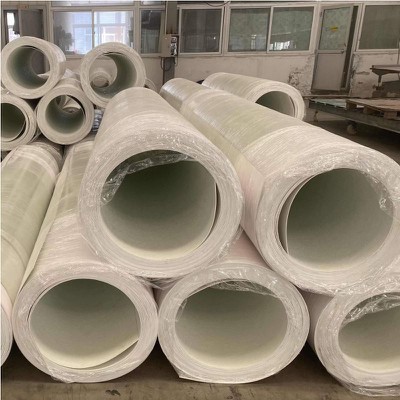
Fiberglass insulation board is made of inorganic fiberglass with a thermosetting resin, formed into flexible, semi-rigid, or rigid boards. Fiberglass board is designed for systems that operate below ambient temperatures, where vapor barrier protection is needed.




Why Choose Us
High Quality
As an FRP product manufacturer, it strictly follows ISO 9001 Standard. All products will pass stricter test before being released.
World-Wide Expertise
We know international markets and trends. Our expertise, experience, and network cover all corners of the world.
Customer Service
We earn your respect by delivering on time and on budget. We built our reputation on exceptional customer service. Discover the difference it makes.
The Company's Business Philosophy
People-oriented, quality first, sincere communication, honest management, and the spirit of continuous innovation, dare to challenge, self-reflection, and self-revolution, provide customers with professional products and services.
People-oriented, quality first, sincere communication, honest management, and the spirit of continuous innovation, dare to challenge, self-reflection, and self-revolution, provide customers with professional products and services.

How Is Fiberglass Insulation Made

That fiberglass insulation is made by a process wherein spun-glass fibers are formed into batts. Using heat, streams of vitreous melt are either spun into fibers after falling onto rapidly rotating flywheels or drawn through tiny holes in rapidly rotating spinners. This process shapes the melt into fibers.
Blown-in fiberglass insulation incorporates plastic filaments and the small filaments of glass. In contrast, fiberglass boards or panels rely on plastic resins to give specific stability to the boards.
The different types of fiberglass
E-Glass
E-glass is the most common type of fiberglass and is best suited for applications where strength and durability, as well as its ability to resist rust and corrosion, are needed.
E-glass is a type of fiberglass made from a blend of silica sand, calcium carbonate, and other minerals. It is often used in boat hulls, surfboards, and home insulation. It has excellent electrical and thermal insulation properties, making it a great choice for electronics and heat insulation.
S-Glass
S-glass is stronger and more resistant to wear and tear than E-glass. It is made from a blend of silica sand and alumina. It is known for its strength and flexibility, making it ideal for applications such as aerospace components, sporting goods, and wind turbine blades, as well as in industrial and commercial applications.
S-glass is also a good choice for making fire-resistant materials, as it can withstand higher temperatures than E-glass.
A-Glass
A-glass is the most commonly used type for insulation. This type of fiberglass is made from alumino-borosilicate glass and is noted for its high thermal resistance, as well as its low weight. Its main application is in thermal insulation for homes and buildings, as well as for boat hulls and other products.
C-Glass
C-glass is the most expensive type of fiberglass. This fiberglass is made from calcium-magnesium-silicate glass and is noted for its high strength and heat resistance. Its main application is in high-performance applications, such as aerospace, automotive, and sporting goods.
Uses for Fiberglass Insulation
Rolled fiberglass insulation's main duty is to fill the cavities of above-grade (non-basement) exterior walls when those walls are accessible from the inside. During new construction or major remodeling projects, when wall surfaces are not yet installed, faced fiberglass batts are the insulation of choice. On walls with finished surfaces, blow-in cellulose insulation or spray foam is more commonly used to add insulation.
Thick batts or rolls of fiberglass do an outstanding job of insulating the attic by preventing heat loss through the ceiling and roof. Faced batts are often installed between joists, or an "attic blanket" of unfaced batts can be laid across the tops of joists. For maximum insulation value, both joist cavity insulation and an attic blanket can be used. Blow-in cellulose insulation is an alternative to fiberglass, and it can also be used to add insulation over the top of fiberglass insulation.
Joist cavities above unheated crawlspaces or unheated basements are often insulated with fiberglass batts. Between two- or three-story homes, fiberglass insulation in the floors will deaden sound transmission.
The joist spaces above foundations can be filled with loosely packed fiberglass insulation to prevent heat loss. This is sometimes done in conjunction with rigid foam, with fiberglass used to fill the void spaces at the top of concrete block walls, and blocks of rigid foam then used to block off the joist cavities above the foundation walls.
One of the key advantages of fibreglass insulation is its affordability compared to other insulation materials. Fibreglass insulation is widely available and is relatively cost-effective, making it an attractive option for homeowners looking to improve energy efficiency without breaking the bank.
Additionally, fibreglass insulation is made from recycled glass, making it an environmentally friendly choice.
Factors to Consider Before Purchasing
Before purchasing fibreglass insulation, think about your specific requirements. Consider factors such as the area you want to insulate, any specific insulation regulations or requirements in your region, and your budget. By taking these factors into account, you can choose the right fibreglass insulation product that matches your needs.

Maintaining and Upgrading Fibreglass Insulation
To ensure the long-term performance and effectiveness of your fibreglass insulation, proper maintenance and occasional upgrades may be required.

Inspecting for Damage and Wear
Regularly inspect your fibreglass insulation to check for any signs of damage or wear. Look for compressions, gaps, or areas that may have been compromised. If any issues are identified, it is important to address them promptly to maintain the optimal insulation performance of your fibreglass insulation.

Upgrading to Higher Efficiency Insulation
Over time, advancements in insulation technology may offer higher efficiency options. Consider upgrading your fibreglass insulation if there are new products available that provide superior insulation performance. An upgrade can help to further improve energy efficiency and reduce your overall energy consumption.
Our Factory
Tangshan Runfeng Composite Materials Co., Ltd is a high-tech industrial group led by a complete industrial chain of new materials developed by the industrial economy. It is located in Tangshan City, Hebei Province, China. In response to global business development, multiple offices in East China, North China, and Northwest China have been established in China.

FAQ
Q: What is fiberglass insulation?
Q: What are the advantages of fiberglass insulation?
Q: How does fiberglass insulation work?
Q: What is the difference between fiberglass insulation and mineral wool?
Q: Can I use fiberglass insulation in walls?
Q: Can I install fiberglass insulation myself?
Q: Is vapor barrier necessary when installing fiberglass insulation?
Q: How do I buy fiberglass insulation?
Q: How do I know if fiberglass insulation is the best choice for my project?
Q: Are there any safety concerns associated with fiberglass insulation?
Q: How do I install fiberglass insulation board?
Q: How long does fiberglass insulation board last?
Q: What are the properties of Fiberglass Insulation Board?
- It is lightweight
- It has low thermal conductivity
- It is water-resistant
- It is non-combustible
- It has a long lifespan
- It is easy to work with
Q: What are the applications of Fiberglass Insulation Board?
- Commercial and residential buildings
- HVAC systems
- Ductwork insulation
- Refrigeration and freezer insulation
Q: What is the R-value of Fiberglass Insulation Board?
Q: What is the cost of Fiberglass Insulation Board?
Q: Can Fiberglass Insulation Board be recycled?
Q: How is fiberglass insulation board used?
Q: How does fiberglass insulation board compare to other insulation materials?
Q: Can fiberglass insulation board be used in high-temperature environments?
Hot Tags: fiberglass insulation board, China fiberglass insulation board manufacturers, suppliers, factory, fiberglass ceiling panel, frp panel for commercial mobile homes, frp panel for mobile home roofing


