


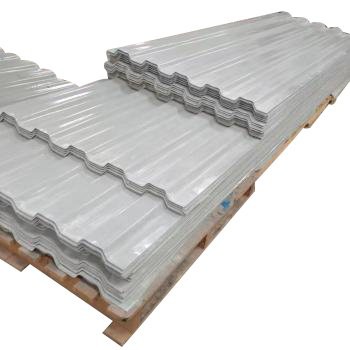
High Quality Fiberglass Anti-Corrosion Panel
Fiberglass anti-corrosion panel FRP anti-corrosion boards are advanced composite materials specifically designed to offer superior chemical resistance and are indispensable in harsh industrial and environmental conditions.
- Fast Delievery
- Quality Assurance
- 24/7 Customer Service
Product Introduction
product presentation
fiberglass anti-corrosion panel
FRP anti-corrosion boards are advanced composite materials specifically designed to offer superior chemical resistance and are indispensable in harsh industrial and environmental conditions. Composed of high-performance resin matrices and glass fiber reinforcement materials, these boards combine mechanical strength with outstanding corrosion resistance, providing a durable alternative to traditional materials such as metal, wood, or concrete in corrosive environments.
The basic structure of FRP anti-corrosion boards consists of three key layers: the protective gel coat layer, the glass fiber reinforcement layer, and the backing resin layer. The gel coat layer, typically made of unsaturated polyester or vinyl ester resin, forms the outermost barrier, providing a smooth, pore-free surface that resists chemical penetration and UV degradation. Beneath it, glass fiber reinforcement materials are arranged in the form of mats or woven fabrics, imparting mechanical strength to the board and ensuring it can withstand structural loads and impacts. The backing resin, often with added corrosion inhibitors, enhances the overall durability of the board and the adhesion between layers. Manufacturers can customize the thickness of each layer (ranging from 2 mm to 15 mm) according to specific application requirements, achieving a balance between weight and performance.
One of the most remarkable features of fiberglass composite anti-corrosion plates is their extensive chemical resistance. They exhibit excellent tolerance to various corrosive substances, including acids (such as sulfuric acid and hydrochloric acid), bases (sodium hydroxide, ammonia water), salts, solvents, and industrial wastewater. Unlike metal plates which would rust or corrode when exposed to such chemicals, fiberglass plates can maintain their structural integrity even after prolonged contact. This chemical resistance has been verified through rigorous tests, such as the chemical tolerance test according to the ASTM D543 standard, where the samples are immersed in various solutions for up to 30 to 90 days, with minimal weight loss (<1%) and no obvious signs of degradation, such as cracking, bubbling, or discoloration.
In addition to chemical resistance, fiberglass composite anti-corrosion plates also have excellent mechanical properties. They have high tensile strength (50 - 150 megapascals) and bending strength (80 - 200 megapascals), comparable to certain metals, but with much lighter weight (density of 1.5 - 2.0 grams per cubic centimeter, while steel has a density of 7.8 grams per cubic centimeter). This lightweight characteristic reduces transportation and installation costs, making them more manageable in large-scale projects. Their impact resistance (15 - 30 kilojoules per square meter) also exceeds that of brittle materials such as ceramics or glass, ensuring they can withstand unexpected collisions or harsh weather conditions such as hail.


Hot Tags: high quality fiberglass anti-corrosion panel, China high quality fiberglass anti-corrosion panel manufacturers, suppliers, factory, fiberglass board, fiberglass laminate coated panel, fiberglass plate, fiberglass powder coated panel, fiberglass roll panel, fiberglass vacuum formed panel
No Information


