


Are fiberglass plywood panels resistant to scratches?
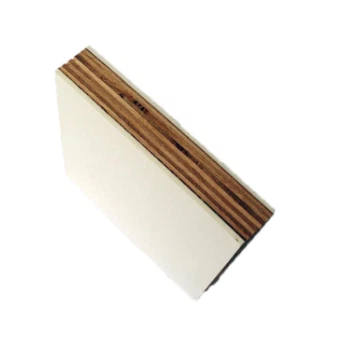

As a supplier of fiberglass plywood panels, I often encounter inquiries from customers regarding the scratch resistance of our products. In this blog post, I will delve into the factors that determine the scratch resistance of fiberglass plywood panels, explore their performance in real - world scenarios, and provide insights to help you make informed decisions when considering these panels for your projects.
Understanding Fiberglass Plywood Panels
Fiberglass plywood panels are composite materials that combine the strength of plywood with the durability and versatility of fiberglass. The plywood core provides a solid and stable structure, while the fiberglass layer adds a protective and aesthetically pleasing finish. These panels are commonly used in a variety of applications, including transportation vehicle boxes, marine environments, and industrial settings.
Factors Affecting Scratch Resistance
- Fiberglass Quality: The quality of the fiberglass used in the panel plays a crucial role in its scratch resistance. High - quality fiberglass with a dense and uniform structure is more likely to resist scratches compared to lower - quality alternatives. Fiberglass with a high resin content and proper reinforcement can form a tough surface that is less prone to damage.
- Surface Finish: The surface finish of the fiberglass plywood panel also impacts its scratch resistance. A smooth and polished finish can reduce the likelihood of scratches as it presents a more even surface for objects to slide across. Textured finishes, on the other hand, may be more prone to showing scratches, but they can also provide better grip in certain applications.
- Thickness of the Fiberglass Layer: A thicker fiberglass layer generally offers better scratch resistance. The additional material provides more protection to the underlying plywood core and can withstand more abrasion before being scratched. However, it's important to balance the thickness with other factors such as weight and cost.
- Usage Environment: The environment in which the fiberglass plywood panel is used significantly affects its scratch resistance. In high - traffic areas or environments where the panels are likely to come into contact with sharp or abrasive objects, the risk of scratching is higher. For example, in a transportation vehicle box, the panels may be exposed to cargo movement, which can cause scratches over time.
Testing Scratch Resistance
To determine the scratch resistance of fiberglass plywood panels, various testing methods can be employed. One common method is the Taber Abrasion Test, which involves rotating a sample panel against an abrasive wheel under a specified load. The amount of material removed after a certain number of rotations is measured to assess the panel's abrasion resistance, which is closely related to scratch resistance.
Another method is the pencil hardness test. In this test, pencils of different hardness levels are used to scratch the surface of the panel. The hardness of the pencil that first leaves a visible scratch on the surface indicates the panel's scratch resistance.
Real - World Performance
In real - world applications, fiberglass plywood panels generally offer good scratch resistance. For instance, in transportation vehicle boxes, our Fiberglass Trailer Panels are designed to withstand the rigors of daily use. They can resist scratches from cargo loading and unloading, as well as minor impacts. The smooth surface finish of these panels also makes them easy to clean, which can help maintain their appearance over time.
In marine environments, fiberglass plywood panels are exposed to saltwater, waves, and debris. Our panels are treated to resist corrosion and can withstand the abrasion caused by water and floating objects. Their scratch - resistant properties ensure that they maintain their structural integrity and aesthetic appeal even in harsh conditions.
Comparison with Other Materials
When compared to other materials such as traditional plywood or metal panels, fiberglass plywood panels have several advantages in terms of scratch resistance. Traditional plywood is more prone to scratches and dents, especially when exposed to moisture or physical impact. Metal panels can also be scratched, and they may rust over time, which can further damage the surface.
Fiberglass plywood panels, on the other hand, are resistant to moisture, corrosion, and can maintain their scratch - resistant properties for a longer period. They are also lighter in weight compared to metal panels, which can be beneficial in applications where weight is a concern, such as in transportation.
Applications and Their Scratch - Resistance Requirements
- Transportation Vehicle Boxes: In transportation vehicle boxes, scratch resistance is essential to protect the panels from damage during cargo handling. Our Easy Installation FRP Sandwich Panels are designed to meet these requirements. They can withstand the friction and impact of cargo movement, ensuring that the interior of the vehicle box remains in good condition.
- Marine Applications: For boats and other marine structures, scratch resistance is crucial to prevent water penetration and damage to the underlying structure. Our FRP Foam Composite Panels are used in marine applications due to their excellent scratch - resistant and waterproof properties.
- Industrial Settings: In industrial settings, fiberglass plywood panels may be used for partitions, workbenches, or equipment enclosures. They need to resist scratches from tools, machinery, and other industrial materials. Our panels can provide the necessary protection and durability in these environments.
Maintenance Tips to Enhance Scratch Resistance
- Regular Cleaning: Regularly cleaning the fiberglass plywood panels can help prevent the buildup of dirt and debris, which can act as abrasives and cause scratches. Use a mild detergent and a soft cloth to clean the surface.
- Avoid Sharp Objects: Minimize contact between the panels and sharp or abrasive objects. When moving heavy items, use protective padding to prevent scratches.
- Apply Protective Coatings: Applying a protective coating to the surface of the panels can enhance their scratch resistance. There are various types of coatings available, such as clear acrylic coatings, that can provide an additional layer of protection.
Conclusion
In conclusion, fiberglass plywood panels offer good scratch resistance, thanks to the combination of high - quality fiberglass, proper surface finish, and appropriate thickness. Their performance in real - world applications, such as transportation vehicle boxes and marine environments, has proven their durability. However, it's important to consider the specific requirements of your project and the usage environment when selecting fiberglass plywood panels.
If you are interested in our fiberglass plywood panels and would like to discuss your project requirements or place an order, please feel free to contact us for a detailed consultation. We are committed to providing high - quality products and excellent customer service.
References
- ASTM International. (2023). Standard Test Methods for Abrasion Resistance of Organic Coatings by the Taber Abraser. ASTM D4060 - 19.
- ISO. (2022). Paints and varnishes - Determination of scratch resistance. ISO 1518 - 1:2022.



