As a supplier of Marine Fiberglass Panels, I often get asked the question: "Do marine fiberglass panels resist saltwater?" This is a crucial query, especially for those in the marine industry, where the durability and performance of materials in saltwater environments are of utmost importance. In this blog, I'll delve into the science behind fiberglass's resistance to saltwater, its benefits, and how our products stand up to the challenges of the marine world.
Understanding Fiberglass and Its Composition
Fiberglass is a composite material made of fine glass fibers embedded in a resin matrix. The glass fibers provide strength and rigidity, while the resin acts as a binder, holding the fibers together and protecting them from environmental factors. There are different types of resins used in fiberglass manufacturing, including polyester, vinyl ester, and epoxy. Each resin has its own set of properties, which can affect the panel's performance in saltwater.
Polyester resins are the most commonly used in fiberglass panels due to their low cost and ease of processing. However, they are more susceptible to water absorption and chemical attack compared to vinyl ester and epoxy resins. Vinyl ester resins offer better resistance to water and chemicals, making them a popular choice for marine applications. Epoxy resins, on the other hand, provide the highest level of performance in terms of strength, durability, and resistance to water and chemicals.
How Fiberglass Resists Saltwater
The resistance of fiberglass panels to saltwater is primarily due to the properties of the resin and the protective barrier it forms around the glass fibers. When exposed to saltwater, the resin acts as a shield, preventing the salt and water from reaching the glass fibers and causing corrosion or degradation.
One of the key factors that determine the saltwater resistance of fiberglass panels is the quality of the resin and its ability to form a tight, impermeable bond with the glass fibers. A high-quality resin will have a low water absorption rate, which means that it will not absorb significant amounts of saltwater over time. This helps to prevent the formation of cracks and delamination, which can compromise the integrity of the panel.
Another important factor is the thickness of the resin layer. A thicker resin layer provides better protection for the glass fibers, as it takes longer for the saltwater to penetrate through the resin and reach the fibers. Additionally, the surface finish of the panel can also affect its saltwater resistance. A smooth, polished surface is less likely to trap salt and debris, which can reduce the risk of corrosion and damage.


Benefits of Using Marine Fiberglass Panels in Saltwater Environments
There are several benefits to using marine fiberglass panels in saltwater environments. Here are some of the key advantages:
- Corrosion Resistance: Fiberglass panels are highly resistant to corrosion, which makes them ideal for use in saltwater applications. Unlike metal panels, which can rust and corrode over time, fiberglass panels will not degrade or lose their strength when exposed to saltwater.
- Lightweight: Fiberglass panels are much lighter than metal panels, which makes them easier to handle and install. This can reduce the overall weight of the vessel, which can improve fuel efficiency and performance.
- High Strength-to-Weight Ratio: Despite their lightweight, fiberglass panels have a high strength-to-weight ratio, which means that they can withstand heavy loads and stresses without cracking or breaking. This makes them suitable for use in a variety of marine applications, including boat hulls, decks, and bulkheads.
- Low Maintenance: Fiberglass panels require very little maintenance compared to metal panels. They do not need to be painted or coated to protect them from corrosion, and they can be easily cleaned with soap and water.
- Design Flexibility: Fiberglass panels can be molded into a variety of shapes and sizes, which allows for greater design flexibility. This makes them suitable for use in custom applications, where specific shapes and sizes are required.
Our Marine Fiberglass Panels and Their Saltwater Resistance
At our company, we specialize in manufacturing high-quality marine fiberglass panels that are designed to withstand the harsh conditions of saltwater environments. Our panels are made using the latest technology and materials, and they are tested to ensure that they meet the highest standards of quality and performance.
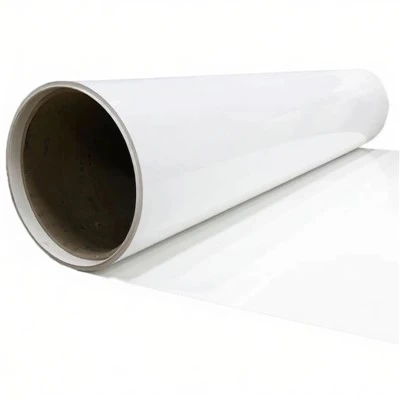
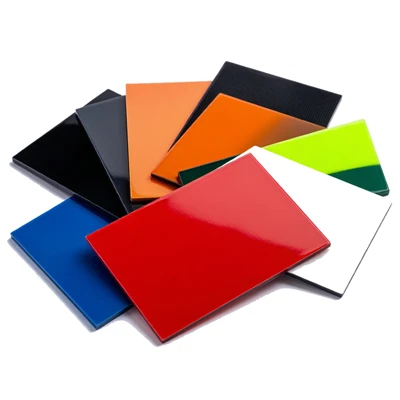
We offer a range of FRP Composite Panels that are suitable for a variety of marine applications. Our panels are available in different thicknesses, sizes, and colors, and they can be customized to meet the specific needs of our customers. Whether you need a panel for a boat hull, deck, or bulkhead, we have the expertise and experience to provide you with the right solution.
In addition to our standard panels, we also offer Custom FRP Panels that can be designed and manufactured to your exact specifications. Our team of engineers and designers will work closely with you to understand your requirements and develop a panel that meets your needs. We use advanced CAD/CAM technology to ensure that our custom panels are accurate and precise, and we have the capabilities to produce panels in large quantities.
Our Marine FRP Composite Panel is specifically designed for use in saltwater environments. It is made using a high-quality vinyl ester resin, which provides excellent resistance to water and chemicals. The panel has a smooth, polished surface that is easy to clean and maintain, and it is available in a variety of colors to match your vessel's design.
Conclusion
In conclusion, marine fiberglass panels are an excellent choice for use in saltwater environments due to their high resistance to corrosion, lightweight, high strength-to-weight ratio, low maintenance, and design flexibility. At our company, we are committed to providing our customers with the highest quality marine fiberglass panels that are designed to withstand the harsh conditions of the marine world.
If you are interested in learning more about our marine fiberglass panels or would like to discuss your specific requirements, please do not hesitate to contact us. Our team of experts will be happy to answer any questions you may have and provide you with a free quote. We look forward to working with you to find the right solution for your marine application.
References
- "Fiberglass Reinforced Plastic (FRP) in Marine Applications." Composites World.
- "The Science of Fiberglass: How It Works and Why It's So Strong." ThoughtCo.
- "Marine Fiberglass: A Guide to Its Properties and Applications." Boating Magazine.