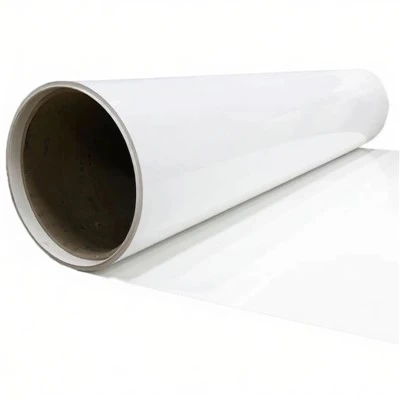
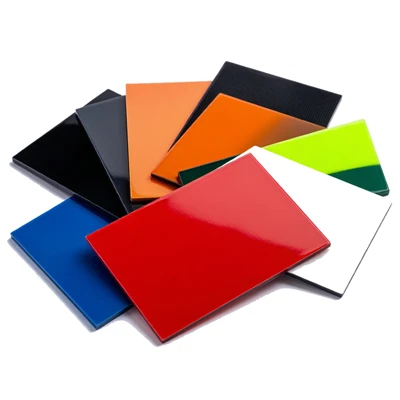
In the realm of poultry farming, egg incubators play a pivotal role in ensuring the efficient hatching of eggs. Multi - tiered egg incubators, in particular, are widely used to maximize the number of eggs that can be incubated simultaneously. The choice of materials for these incubators is crucial, and one such material that has gained significant attention is the FRP (Fiber - Reinforced Plastic) panel. As a supplier of FRP panels for egg incubators, I am well - versed in the various aspects of how these panels can impact the stacking stability of multi - tiered egg incubators.
Understanding the Basics of Multi - Tiered Egg Incubators
Multi - tiered egg incubators are designed to stack multiple trays of eggs vertically. This design allows for a larger number of eggs to be incubated within a relatively small floor space. However, the stacking of multiple tiers introduces several challenges, one of the most critical being stability. An unstable incubator can lead to a variety of problems, such as uneven temperature distribution, damage to the eggs due to vibrations or tilting, and even the risk of the entire structure collapsing.
The Role of FRP Panels in Incubator Construction
FRP panels are composite materials made of a polymer matrix reinforced with fibers, typically glass fibers. They offer several advantages that make them suitable for egg incubator construction. Firstly, they are lightweight yet strong. This combination is ideal for multi - tiered incubators as it allows for easy handling during installation and relocation while still providing the necessary structural integrity.
Secondly, FRP panels have excellent corrosion resistance. In the humid environment of an egg incubator, where moisture and heat are constantly present, traditional materials like metal can rust and degrade over time. FRP panels, on the other hand, can withstand these conditions without significant deterioration, ensuring the long - term durability of the incubator.
Impact on Stacking Stability
Structural Integrity
The structural integrity of FRP panels is a key factor in determining the stacking stability of multi - tiered egg incubators. The panels are engineered to have high strength - to - weight ratios. This means that they can support the weight of multiple tiers of eggs and the incubator components above them without excessive deflection or deformation. When properly designed and installed, FRP panels can provide a stable base for each tier, preventing the incubator from leaning or collapsing.
For example, if we consider a multi - tiered incubator with five tiers, each loaded with a standard number of eggs, the FRP panels used in the construction of the base and the partitions between the tiers must be able to bear the combined weight. The strength of the FRP panels is determined by factors such as the type and amount of fiber reinforcement, the resin matrix used, and the manufacturing process. A well - made FRP panel can distribute the weight evenly across the structure, enhancing the overall stability.
Dimensional Stability
Dimensional stability is another important aspect related to stacking stability. In an egg incubator, the temperature and humidity levels can vary significantly. These environmental changes can cause materials to expand or contract, which can lead to misalignment and instability in a multi - tiered structure. FRP panels have relatively low coefficients of thermal expansion, meaning they change dimensions less in response to temperature fluctuations compared to many other materials.
This property is crucial for maintaining the proper alignment of the tiers in a multi - tiered egg incubator. If the panels were to expand or contract too much, the gaps between the tiers could change, affecting the airflow and temperature distribution within the incubator. Additionally, misaligned tiers could increase the risk of the incubator tipping over. With FRP panels, the dimensional stability helps to keep the structure in place, ensuring consistent performance over time.
Connection and Assembly
The way FRP panels are connected and assembled also impacts the stacking stability of multi - tiered egg incubators. Specialized connectors and fasteners are used to join the panels together securely. These connectors are designed to provide a strong and rigid connection, preventing any movement or separation between the panels.
For instance, some FRP panels are designed with interlocking features that allow for easy and precise assembly. When these panels are stacked and connected correctly, they form a cohesive unit that can resist lateral forces and vibrations. The quality of the connection is essential, as a weak joint can compromise the entire structure's stability. As a supplier, we ensure that our FRP panels come with appropriate connection systems and provide detailed installation instructions to guarantee proper assembly.


Comparison with Other Materials
It is useful to compare FRP panels with other materials commonly used in egg incubator construction, such as PU Foam Sandwich Panel, Glass Fiber Board Insulation, and Fiberglass Foam Core Panels.
PU foam sandwich panels are known for their excellent insulation properties. However, they may not be as structurally strong as FRP panels. In a multi - tiered egg incubator, the stacking of multiple tiers requires a material that can bear significant weight, and the relatively lower strength of PU foam sandwich panels may limit their use in taller or more heavily loaded incubators.
Glass fiber board insulation is mainly used for its thermal insulation capabilities. While it can contribute to the energy efficiency of the incubator, it is not designed to provide the same level of structural support as FRP panels. It may be used in combination with FRP panels to enhance the insulation of the incubator, but on its own, it cannot ensure the stacking stability of a multi - tiered structure.
Fiberglass foam core panels are similar to FRP panels in that they both use fiberglass. However, the foam core in these panels may have different mechanical properties compared to the solid FRP structure. Depending on the specific application, FRP panels may offer better strength and stability, especially in high - load situations.
Practical Considerations for Incubator Designers and Farmers
When designing or purchasing a multi - tiered egg incubator, several practical considerations should be taken into account regarding the use of FRP panels. Firstly, the thickness and quality of the FRP panels should be carefully selected based on the size and capacity of the incubator. A larger incubator with more tiers will require thicker and stronger panels to ensure stability.
Secondly, proper maintenance of the FRP panels is essential. Although they are corrosion - resistant, regular cleaning and inspection can help to identify any potential issues early on. Any damage to the panels, such as cracks or delamination, should be addressed immediately to prevent further deterioration and maintain the stability of the incubator.
Conclusion
In conclusion, FRP panels have a significant impact on the stacking stability of multi - tiered egg incubators. Their structural integrity, dimensional stability, and ease of connection all contribute to creating a stable and reliable incubator structure. Compared to other materials, FRP panels offer a unique combination of strength, durability, and resistance to environmental factors.
If you are in the market for a high - quality FRP panel for your egg incubator, we are here to help. Our extensive experience as a supplier allows us to provide you with the best - suited panels for your specific needs. Whether you are an incubator designer looking for innovative materials or a farmer aiming to improve the efficiency of your poultry operation, we can offer customized solutions. Contact us to start a discussion about your requirements and explore how our FRP panels can enhance the performance and stability of your multi - tiered egg incubators.
References
- "Composite Materials in Agricultural Equipment Design" - Journal of Agricultural Engineering Research
- "Thermal and Structural Properties of FRP Panels" - Composite Materials Science Journal
- "Poultry Incubator Design and Technology" - Poultry Science Review