

How does moisture affect the performance of PU Foam Sandwich Panel?
Dec 24, 2025
Hey there! As a supplier of PU Foam Sandwich Panel, I've seen firsthand how moisture can have a real impact on these panels. So, let's dive into how moisture affects the performance of PU foam sandwich panels.
1. What is a PU Foam Sandwich Panel?
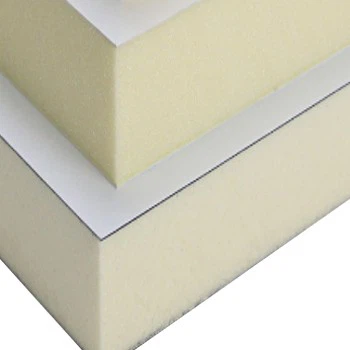
First off, let me quickly explain what a PU foam sandwich panel is. It's a composite material made up of two outer layers and a core of polyurethane (PU) foam. The outer layers can be made from various materials like metal, fiberglass, or even plastic. These panels are super popular because they're lightweight, have good insulation properties, and are pretty easy to install. You can find them in all sorts of places, from industrial buildings to cold storage facilities and even some residential projects.
2. How Moisture Gets In
Moisture can find its way into PU foam sandwich panels in a few different ways. One common way is through condensation. When warm, moist air comes into contact with a cold surface, like the panel, the water vapor in the air turns into liquid water. This can happen inside a building if there's poor ventilation or if the temperature difference between the inside and outside is significant.
Another way moisture can enter is through leaks. If the panels aren't installed properly or if there are damages to the outer layers, water can seep in. Rain, snow, or even groundwater can be sources of this water. And sometimes, if the panels are stored in a damp environment before installation, they can absorb moisture right from the start.

3. Impact on Insulation Performance
One of the main reasons people choose PU foam sandwich panels is for their excellent insulation properties. But moisture can really mess that up. When water gets into the PU foam core, it reduces the panel's ability to resist heat transfer. You see, the air pockets in the foam are what make it a good insulator. But when these pockets fill with water, heat can transfer more easily through the panel.
This means that buildings with moisture - affected panels will need to use more energy to maintain a comfortable temperature. For example, in a cold storage facility, the refrigeration system will have to work harder to keep the temperature low, which can lead to higher energy bills. Over time, this decrease in insulation performance can also cause uneven temperature distribution inside the building, making some areas too hot or too cold.
4. Structural Integrity
Moisture can also take a toll on the structural integrity of the panels. The outer layers of the panel are often there to provide strength and protection. If water gets between the outer layer and the foam core, it can cause delamination. Delamination is when the layers start to separate from each other. This weakens the panel and can make it more prone to damage.
In addition, the PU foam itself can be affected. Prolonged exposure to moisture can cause the foam to break down. It can become softer and lose its shape, which reduces its ability to support the load placed on the panel. For instance, in a building where the panels are used as roofing elements, a weakened panel may not be able to withstand the weight of snow or other external forces, increasing the risk of a collapse.
5. Mold and Mildew Growth
Moisture - filled panels are a perfect breeding ground for mold and mildew. These fungi thrive in damp, dark environments, and the PU foam can provide them with a source of nutrients. Once mold and mildew start growing on the panels, they can cause a whole host of problems.
Not only do they look ugly, but they can also release spores into the air. These spores can cause health issues for the people in the building, especially those with allergies or respiratory problems. Mold and mildew can also continue to break down the panel material, further reducing its performance and lifespan.
6. Surface Appearance
The surface appearance of the panels can also be affected by moisture. If the outer layer is made of a material like fiberglass, moisture can cause discoloration. For example, Fiberglass Decorative Wall Panels may start to look dull or develop stains. This can be a big problem in applications where the appearance of the panels is important, such as in commercial buildings or residential interiors.
7. Preventing Moisture Damage
So, how can we prevent moisture from affecting the performance of PU foam sandwich panels? First, proper installation is key. Make sure that the panels are installed correctly, with no gaps or holes that could allow water to enter. Use high - quality sealants around the edges and joints to create a watertight barrier.
Good ventilation is also crucial. In buildings, ensure that there is adequate air circulation to prevent condensation. This can be achieved through the use of vents, fans, or other ventilation systems.
When storing the panels, keep them in a dry place. If possible, cover them to protect them from the elements. And during the manufacturing process, the panels can be treated with water - repellent coatings to make them more resistant to moisture.
8. Other Related Panels and Their Moisture Resistance
It's worth mentioning that there are other types of panels in the market, like Fiberglass Foam Core Panels. These panels also have a foam core, but the outer fiberglass layer may offer different levels of moisture resistance compared to PU foam sandwich panels. Fiberglass is generally more resistant to water than some other materials, but it's still important to take precautions to prevent moisture damage.
9. Conclusion
In conclusion, moisture can have a significant impact on the performance of PU foam sandwich panels. It can reduce insulation, damage the structural integrity, promote mold growth, and affect the surface appearance. But by being aware of the ways moisture can enter and taking the necessary preventive measures, we can ensure that these panels perform well and last a long time.
If you're in the market for high - quality PU foam sandwich panels or have any questions about how to protect them from moisture, don't hesitate to reach out. We're here to help you make the best choice for your project and ensure that your panels perform at their best. Whether it's for an industrial building, a cold storage facility, or a residential renovation, we've got the expertise and the products to meet your needs. Let's talk about your project and find the perfect solution together!
References
- "Building Envelope Design Guide" by the National Research Council Canada
- "Insulation Materials and Systems" by the American Society of Heating, Refrigerating and Air - Conditioning Engineers (ASHRAE)
- "Moisture in Buildings" by the Building Science Corporation