


Hey there! I'm a supplier of FRP panels for egg incubators, and I know how crucial proper ventilation is when using these panels in egg incubators. In this blog, I'll share some tips on how to ensure your egg incubator gets the right amount of fresh air.

Why Ventilation Matters in Egg Incubators
First off, let's talk about why ventilation is so important. Eggs need a specific environment to develop properly, and that includes the right amount of oxygen and carbon dioxide. When eggs are incubating, they consume oxygen and release carbon dioxide. Without proper ventilation, carbon dioxide can build up, which can harm the developing embryos. Also, good ventilation helps control humidity levels and prevents the growth of mold and bacteria, which can be a big problem in an incubator.
Choosing the Right FRP Panels
As a supplier, I've seen a variety of FRP panels out there. Two popular options are the Glass Fiber Board Insulation and the PU Foam Sandwich Panel.
The Glass Fiber Board Insulation panels are great because they offer good thermal insulation. This means they can help maintain a stable temperature inside the incubator, which is super important for egg development. At the same time, they are porous enough to allow some air exchange, which is a plus for ventilation.
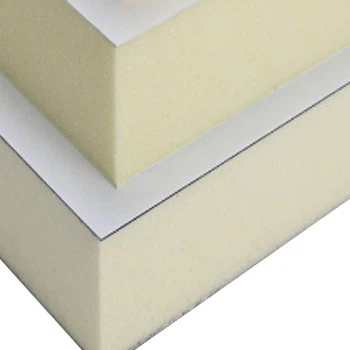
On the other hand, the PU Foam Sandwich Panel provides excellent insulation as well. It's made up of a foam core sandwiched between two layers of FRP. This design not only keeps the heat in but also helps in creating a more airtight environment. However, you need to make sure to add proper ventilation systems when using these panels because they are less porous than the glass fiber boards.
And if you're looking for something a bit more aesthetically pleasing, the Fiberglass Decorative Wall Panels can be a great choice. They can add a nice look to your incubator while still providing some level of insulation and being suitable for ventilation modifications.
Designing the Ventilation System
Now, let's get into the nitty - gritty of designing a good ventilation system for your egg incubator with FRP panels.
Inlet and Outlet Placement
The placement of your air inlets and outlets is key. You want to create a natural airflow pattern. Usually, it's a good idea to place the air inlets near the bottom of the incubator. This way, fresh, cool air can enter and rise as it warms up. The outlets should be placed near the top. This allows the warmer, carbon - dioxide - rich air to escape.
For example, if you're using a small incubator, you can drill small holes near the base for the inlets and a few larger holes at the top for the outlets. Make sure the holes are not too big, or you might lose too much heat.
Using Fans
Fans can be a great addition to your ventilation system. You can use a small fan at the inlet to push fresh air into the incubator. Another fan at the outlet can help pull the stale air out. This creates a more controlled and efficient airflow.
When choosing fans, make sure they are quiet and don't generate too much vibration. Vibration can be harmful to the developing eggs. You can also use adjustable fans so that you can control the speed of the airflow according to the needs of the eggs at different stages of incubation.
Monitoring and Adjusting the Ventilation
Once you've set up your ventilation system, it's important to monitor it regularly.
Measuring Oxygen and Carbon Dioxide Levels
You can use sensors to measure the oxygen and carbon dioxide levels inside the incubator. There are affordable sensors available on the market that can give you real - time data. If the carbon dioxide levels are too high, you might need to increase the airflow by adjusting the fans or opening the vents a bit more.
Checking Humidity and Temperature
Ventilation also affects humidity and temperature. You should have a hygrometer and a thermometer inside the incubator. If the humidity is dropping too much due to excessive ventilation, you might need to slow down the airflow or add a humidifier. Similarly, if the temperature is fluctuating too much, you may need to adjust the ventilation to maintain a stable environment.
Maintenance of the Ventilation System
To keep your ventilation system working properly, you need to perform regular maintenance.
Cleaning the Vents and Fans
Over time, dust and debris can accumulate in the vents and on the fans. This can block the airflow and reduce the efficiency of the ventilation system. You should clean the vents and fans at least once a week. Use a soft brush to clean the vents and a damp cloth to wipe the fans.
Inspecting the FRP Panels
Check the FRP panels regularly for any signs of damage. Cracks or holes in the panels can disrupt the airflow and also lead to heat loss. If you find any damage, repair or replace the panels as soon as possible.
Conclusion
Ensuring proper ventilation when using FRP panels in egg incubators is essential for the healthy development of the eggs. By choosing the right FRP panels, designing a good ventilation system, monitoring it regularly, and performing maintenance, you can create an ideal environment for your eggs.
If you're interested in our FRP panels for egg incubators or have any questions about ventilation systems, feel free to reach out. We're here to help you make the best choices for your egg - incubating needs.
References
- Smith, J. (2020). "Best Practices for Egg Incubation". Poultry Science Journal.
- Johnson, A. (2019). "Ventilation in Agricultural Incubators". Agricultural Engineering Review.



