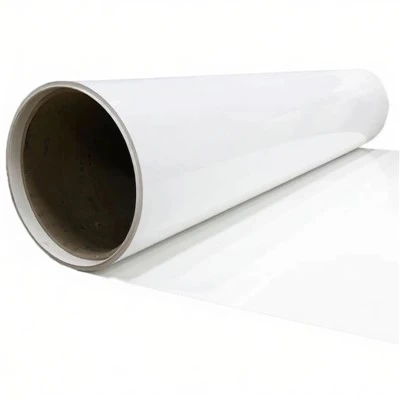
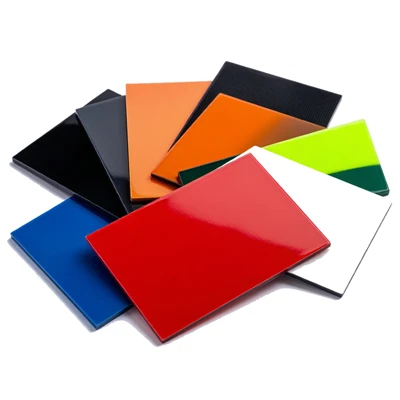
Wastewater treatment plants play a crucial role in maintaining environmental health by treating and purifying water before its release back into the ecosystem. The choice of materials used in these facilities is of utmost importance, as they need to withstand harsh chemical environments, mechanical stresses, and long - term exposure to water. Fiberglass flat sheets have emerged as an excellent material for use in wastewater treatment plants, offering numerous advantages. As a supplier of Fiberglass Flat Sheets, I am well - versed in the benefits that these sheets bring to wastewater treatment operations.
Corrosion Resistance
One of the most significant advantages of using fiberglass flat sheets in wastewater treatment plants is their exceptional corrosion resistance. Wastewater contains a variety of corrosive substances such as acids, alkalis, and salts. Traditional materials like metal are highly susceptible to corrosion in such environments, which can lead to structural damage, leaks, and reduced service life. Fiberglass, on the other hand, is composed of glass fibers embedded in a polymer matrix, which provides excellent resistance to chemical attack.
For example, in primary sedimentation tanks where wastewater first enters the treatment process, the water often has a high concentration of suspended solids and various chemicals. Fiberglass flat sheets can be used to line the tanks, protecting the underlying structure from corrosion. This not only extends the lifespan of the tanks but also reduces the need for frequent maintenance and replacement, resulting in significant cost savings over the long term.
Lightweight and Easy to Install
Fiberglass flat sheets are relatively lightweight compared to many other construction materials. This characteristic makes them much easier to handle and install in wastewater treatment plants. In large - scale treatment facilities, where components need to be transported and installed within the plant, the lightweight nature of fiberglass sheets reduces the logistical challenges and labor requirements.
Installation can be carried out more quickly, minimizing downtime during plant upgrades or expansions. Workers can easily maneuver the sheets into place, and they can be cut, drilled, and shaped using standard tools. For instance, when constructing partition walls or covers for various treatment units, fiberglass flat sheets can be installed with less effort and in less time compared to heavier materials like concrete or steel.
High Strength - to - Weight Ratio
Despite being lightweight, fiberglass flat sheets have a high strength - to - weight ratio. This means that they can withstand significant mechanical stresses while still being relatively light. In wastewater treatment plants, there are various mechanical forces at play, such as the pressure of flowing water, the weight of equipment, and the impact of solid particles in the wastewater.
Fiberglass sheets can be designed to meet specific strength requirements. For example, in aeration basins where air is injected into the wastewater to promote the growth of beneficial bacteria, the fiberglass flat sheets used for covers or partitions need to withstand the pressure of the rising air bubbles and the movement of the water. Their high strength - to - weight ratio ensures that they can perform these functions effectively without excessive weight, which could put additional stress on the supporting structures.
Smooth Surface Finish
Fiberglass flat sheets typically have a smooth surface finish. This is beneficial in wastewater treatment plants for several reasons. Firstly, a smooth surface reduces the adhesion of solids and biofilms. In wastewater, solid particles and microorganisms tend to attach to surfaces, which can lead to clogging and reduced efficiency of the treatment process. The smooth surface of fiberglass sheets makes it more difficult for these substances to adhere, allowing for easier cleaning and maintenance.
Secondly, the smooth surface promotes better flow of wastewater. In pipes and channels lined with fiberglass flat sheets, the water can flow more freely, reducing the risk of blockages and improving the overall hydraulic performance of the plant. This is especially important in systems where a consistent flow rate is required for effective treatment, such as in secondary treatment processes where biological reactions are taking place.
Design Flexibility
Fiberglass flat sheets offer a high degree of design flexibility. They can be manufactured in various sizes, thicknesses, and colors to meet the specific needs of different wastewater treatment applications. This flexibility allows for customized solutions that can be tailored to the unique requirements of each plant.
For example, in a treatment plant with limited space, fiberglass flat sheets can be used to create compact and modular treatment units. The sheets can be fabricated into complex shapes, such as curved walls or custom - designed enclosures, to fit into tight spaces. Additionally, different colors can be used for aesthetic purposes or to mark different areas of the plant for safety and operational reasons.
Cost - Effectiveness
When considering the long - term costs associated with wastewater treatment plant construction and operation, fiberglass flat sheets are a cost - effective option. Although the initial cost of fiberglass sheets may be comparable to or slightly higher than some traditional materials in some cases, the savings in terms of maintenance, replacement, and energy consumption over their lifespan are significant.
As mentioned earlier, their corrosion resistance reduces the need for frequent repairs and replacements. Their lightweight nature also reduces transportation and installation costs. Moreover, the smooth surface finish and high strength - to - weight ratio contribute to improved operational efficiency, which can lead to energy savings. For example, in pumping systems, the better flow characteristics provided by fiberglass - lined pipes can reduce the energy required to pump the wastewater.
Compatibility with Wastewater Treatment Processes
Fiberglass flat sheets are compatible with a wide range of wastewater treatment processes. They do not release harmful substances into the wastewater, which could interfere with the treatment process or contaminate the treated water. This is crucial in ensuring the quality of the treated water that is eventually discharged back into the environment.
In addition, fiberglass sheets can withstand the temperature and pH variations that occur during different stages of the wastewater treatment process. For example, in anaerobic digesters where the wastewater is heated to promote the breakdown of organic matter, fiberglass flat sheets can maintain their structural integrity and chemical resistance at elevated temperatures.


Fire Resistance
Fiberglass flat sheets can be engineered to have good fire - resistant properties. In a wastewater treatment plant, there are various potential fire hazards, such as electrical equipment, flammable chemicals, and the presence of combustible materials in the wastewater. Fire - resistant fiberglass sheets can help to prevent the spread of fire, protecting the plant and its personnel.
They can be used in areas where fire safety is a concern, such as in control rooms, electrical enclosures, or near storage areas for chemicals. The fire - resistant properties of fiberglass sheets can be enhanced through the use of special additives during the manufacturing process, ensuring that they meet relevant fire safety standards.
Low Maintenance Requirements
The low maintenance requirements of fiberglass flat sheets are a major advantage in wastewater treatment plants. As they are resistant to corrosion, have a smooth surface, and are strong, they do not require frequent painting, coating, or other forms of maintenance. This reduces the time and resources spent on maintenance activities, allowing the plant to operate more efficiently.
Regular cleaning with mild detergents is usually sufficient to keep the fiberglass sheets in good condition. In contrast, materials like steel may require regular rust prevention treatments, and concrete may need to be patched or sealed periodically.
If you are looking for high - quality fiberglass flat sheets for your wastewater treatment plant, we are here to help. Our Fiberglass Flat Sheets are designed to meet the strict requirements of wastewater treatment applications. We also offer Smooth Fiberglass Panels For Mobile Home and FRP Fiberglass Sheet For Refrigerated Truck Box for other related applications. Contact us to discuss your specific needs and start a procurement discussion.
References
- "Fiberglass Reinforced Plastic (FRP) Materials Handbook" by ASM International
- "Wastewater Engineering: Treatment and Reuse" by Metcalf & Eddy
- Industry reports on materials used in wastewater treatment plants from relevant research institutions.