


Hey there! As a supplier of FRP panels for egg incubators, I often get asked about the ideal thickness of these panels. It's a crucial question because the right thickness can significantly impact the performance and efficiency of an egg incubator. So, let's dive into this topic and figure out what thickness works best.
First off, let's understand what FRP panels are. FRP stands for Fiber - Reinforced Plastic. These panels are made by combining a polymer matrix with fibers, usually glass fibers. They're known for their strength, durability, and resistance to corrosion and chemicals. In the context of egg incubators, FRP panels are used to create a stable and insulated environment for the eggs to develop.
Why Thickness Matters
The thickness of an FRP panel in an egg incubator plays a vital role in maintaining a consistent internal temperature. Eggs need a very specific temperature range to develop properly. If the panel is too thin, it won't provide enough insulation, and the heat inside the incubator can easily escape. On the other hand, if it's too thick, it might make the incubator heavier and more expensive without adding much extra value.
Factors Affecting the Ideal Thickness
There are several factors to consider when determining the ideal thickness of an FRP panel for an egg incubator.
1. Insulation Requirements
Insulation is key in an egg incubator. The panel needs to keep the heat inside and prevent cold air from getting in. A thicker panel generally provides better insulation. For example, if you're operating in a cold climate, you'll need a thicker panel to maintain the required temperature. The Glass Fiber Board Insulation option can be a great choice as it offers good insulation properties. The glass fibers trap air pockets, which act as a barrier to heat transfer.
2. Structural Integrity
The panel also needs to be strong enough to support its own weight and any equipment or eggs placed inside the incubator. A thicker panel is usually more rigid and less likely to bend or break. However, you don't want to go overboard. There's a balance between having enough thickness for structural integrity and not making the panel too heavy.
3. Cost
Cost is always a consideration. Thicker panels are generally more expensive because they use more materials. You need to find a thickness that meets your insulation and structural requirements without breaking the bank. Sometimes, a slightly thinner panel with good insulation properties can be a cost - effective solution.
Recommended Thickness Ranges
Based on my experience as a supplier, here are some general thickness ranges for different types of FRP panels used in egg incubators.
Fiberglass Foam Core Panels
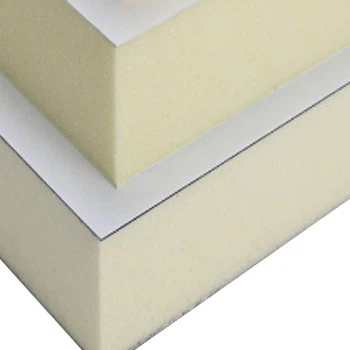
Fiberglass Foam Core Panels are a popular choice. These panels consist of a foam core sandwiched between two layers of fiberglass. For small - to medium - sized egg incubators, a thickness of around 1 - 2 inches is usually sufficient. This thickness provides a good balance between insulation and cost. For larger incubators or those in colder environments, you might want to go for a thickness of 2 - 3 inches.
PU Foam Sandwich Panel
PU Foam Sandwich Panel is another option. Polyurethane (PU) foam is known for its excellent insulation properties. For most egg incubators, a thickness of 1.5 - 2.5 inches is recommended. This thickness ensures good insulation while keeping the panel relatively lightweight.
Testing and Customization
It's important to note that these are just general guidelines. Every egg incubator is different, and the ideal thickness might vary depending on your specific needs. That's why we offer testing and customization services. We can help you determine the best thickness for your incubator based on factors like the size of the incubator, the climate in your area, and your budget.
Making the Right Choice
When choosing the thickness of an FRP panel for your egg incubator, it's a good idea to consult with an expert. As a supplier, I've worked with many customers to find the perfect solution for their incubators. We can provide you with samples of different thicknesses so you can see and feel the difference.

In conclusion, the ideal thickness of an FRP panel for an egg incubator depends on insulation requirements, structural integrity, and cost. By considering these factors and working with a reliable supplier, you can find the right thickness to ensure the success of your egg - hatching operation.
If you're in the market for FRP panels for your egg incubator, don't hesitate to reach out. We're here to help you make the best choice for your needs. Whether you have questions about thickness, insulation, or any other aspect of our panels, we're just a message away. Let's work together to create the perfect environment for your eggs to develop.
References
- Various industry reports on insulation materials for agricultural equipment
- Internal research and testing data from our company on FRP panel performance in egg incubators



