

What is the insulation performance of FRP panel in egg incubators?
Nov 25, 2025
As a supplier of FRP panels for egg incubators, I often get asked about the insulation performance of these panels. In this blog post, I'll delve into the details of what makes FRP panels an excellent choice for egg incubators in terms of insulation, and how it impacts the overall efficiency of the incubation process.
Why Insulation Matters in Egg Incubators
Egg incubation is a delicate process that requires precise temperature and humidity control. Even a slight deviation in temperature can have a significant impact on the hatching rate of eggs. Proper insulation helps to maintain a stable internal environment within the incubator, reducing the energy required to keep the temperature constant. This not only saves on energy costs but also ensures a more consistent and successful hatching process.
Understanding FRP Panels
FRP, or Fiberglass Reinforced Plastic, is a composite material made of a polymer matrix reinforced with fiberglass. It is known for its high strength, durability, and corrosion resistance. In the context of egg incubators, FRP panels are used to construct the walls and doors of the incubator, providing a protective and insulating barrier.
Insulation Mechanisms of FRP Panels
The insulation performance of FRP panels in egg incubators is based on several key mechanisms:
Low Thermal Conductivity
One of the primary factors contributing to the insulation capabilities of FRP panels is their low thermal conductivity. Thermal conductivity is a measure of how easily heat can pass through a material. FRP panels have a relatively low thermal conductivity compared to many other materials, which means they are effective at reducing the transfer of heat between the inside and outside of the incubator. This helps to keep the internal temperature stable, even when there are fluctuations in the external environment.
Air Trapping
FRP panels often have a structure that allows for the trapping of air within their layers. Air is a poor conductor of heat, so when it is trapped within the panel, it acts as an additional insulating layer. This air trapping mechanism further enhances the overall insulation performance of the FRP panels.
Resistance to Moisture
Moisture can significantly affect the insulation properties of materials. FRP panels are highly resistant to moisture, which means they do not absorb water and retain their insulation performance over time. This is particularly important in egg incubators, where high humidity levels are required for successful incubation. By preventing moisture ingress, FRP panels ensure that the insulation remains effective and reliable.
Comparing FRP Panels with Other Insulation Materials
To better understand the insulation performance of FRP panels, it's useful to compare them with other common insulation materials used in egg incubators:
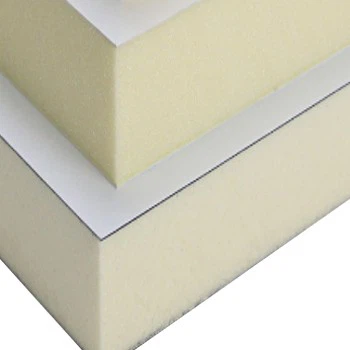

PU Foam Sandwich Panel
PU Foam Sandwich Panels are another popular choice for egg incubators. These panels consist of a core of polyurethane foam sandwiched between two layers of FRP or other materials. While PU foam has excellent insulation properties, PU Foam Sandwich Panel can be more expensive and may require more maintenance. FRP panels, on the other hand, offer a good balance of insulation performance, durability, and cost-effectiveness. You can also explore PU Foam Sandwich Panel for more information.
Glass Fiber Board Insulation
Glass fiber board insulation is a traditional insulation material known for its high thermal resistance. However, it can be prone to moisture absorption and may require additional protection in high-humidity environments. FRP panels, with their inherent moisture resistance, offer a more reliable insulation solution in egg incubators. To learn more about glass fiber board insulation, visit Glass Fiber Board Insulation.
Benefits of Using FRP Panels for Insulation in Egg Incubators
The use of FRP panels in egg incubators offers several significant benefits in terms of insulation and overall performance:
Energy Efficiency
By providing effective insulation, FRP panels reduce the amount of energy required to maintain the desired temperature inside the incubator. This leads to lower energy costs and a more sustainable operation.
Consistent Hatching Rates
The stable internal environment created by FRP panels helps to ensure consistent hatching rates. With less temperature variation, eggs are more likely to develop properly, resulting in higher-quality chicks.
Long-Term Durability
FRP panels are highly durable and resistant to corrosion, impact, and wear. This means they can withstand the harsh environment of an egg incubator and provide reliable insulation for many years.
Hygiene and Cleanliness
FRP panels are easy to clean and maintain, which is essential for maintaining a hygienic environment in the egg incubator. Their smooth surface prevents the accumulation of dirt and bacteria, reducing the risk of contamination.
Real-World Applications and Case Studies
In real-world applications, FRP panels have proven to be a reliable choice for egg incubators. Many commercial hatcheries have reported improved energy efficiency, higher hatching rates, and lower maintenance costs after switching to FRP panels. For example, a large-scale hatchery in the Midwest was able to reduce its energy consumption by 20% after installing FRP panels in its incubators. The stable internal temperature also led to a 15% increase in hatching rates, resulting in significant savings and increased profitability.
Research and Development in FRP Panel Insulation
The field of FRP panel insulation is constantly evolving, with ongoing research and development efforts aimed at improving performance and efficiency. New manufacturing techniques and materials are being explored to further enhance the insulation properties of FRP panels. For example, some researchers are investigating the use of nanomaterials to improve the thermal conductivity and moisture resistance of FRP panels.
Future Trends in Egg Incubator Insulation
Looking ahead, the demand for energy-efficient and sustainable egg incubators is likely to increase. FRP panels are well-positioned to meet these requirements, as they offer a combination of excellent insulation performance, durability, and environmental friendliness. In addition, advancements in technology may lead to the development of smart FRP panels that can monitor and adjust the internal temperature and humidity of the incubator automatically.
Conclusion
In conclusion, the insulation performance of FRP panels in egg incubators is a crucial factor in ensuring the success of the incubation process. Their low thermal conductivity, air trapping capabilities, and resistance to moisture make them an ideal choice for maintaining a stable internal environment. Compared to other insulation materials, FRP panels offer a number of advantages, including energy efficiency, long-term durability, and ease of maintenance.
If you're in the market for high-quality FRP panels for your egg incubator, I encourage you to reach out to discuss your specific requirements. Our team of experts can provide you with detailed information and guidance to help you make the best choice for your operation.
References
- "Insulation Materials for Agricultural Buildings" by Agricultural Handbook No. 660, United States Department of Agriculture.
- "Fiberglass Reinforced Plastic (FRP) Composites: Materials, Manufacturing, and Design" by Mohamed S. El-Tawil and Amir Mirmiran.
- "Egg Incubation: Science and Practice" by Brian M. Freeman.